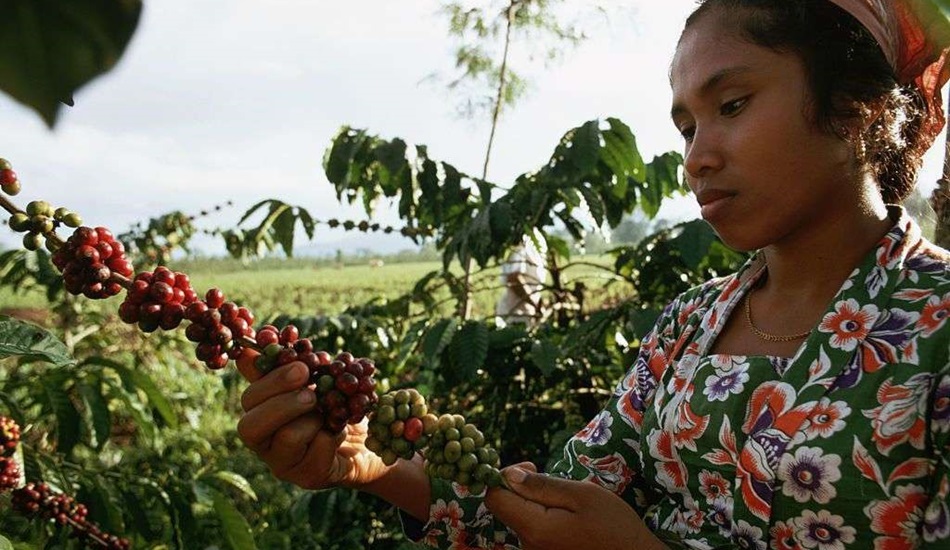
The Situation of Coffee Producers
According to the International Coffee Organization (ICO), coffee is grown commercially in more than 50 countries in the world’s tropical regions. Brazil is the leading producer and exporter, accounting for about 40 percent of global exports. Vietnam is the world’s second-largest producer, accounting for about 25 percent of global exports. The other big producers are Colombia, Indonesia, Ethiopia, Honduras, Uganda, Peru, India, Guatemala, Mexico, Nicaragua, Ivory Coast, and Laos. While some countries produce huge volumes, some produce exceptional quality in smaller volumes, including Kenya, Tanzania, Rwanda, Jamaica, Papua New Guinea, and others. Notably, most coffee is grown by smallholder farmers, some on tiny plots. In most cases, coffee is the most significant contributor to family incomes and livelihoods.
The market reality is critical in discussing the issue of the people who grow coffee. There is a great need to find ways to bless the people who produce the coffee we all enjoy. The supply chain has many players, rendering services at different levels. For obvious logistical reasons, the final buyer who manufactures consumer products does not directly interact with the producers — which is valid for large companies. However, they may have projects that satisfy corporate social responsibility targets or compliance with legislation in the company’s domicile. The exception is that of small operators, such as specialty or gourmet roasters, who can directly engage with the producers or their cooperatives and, most times, even cut out many unnecessary intermediaries. Also, several small or medium-sized coffee-buying companies that supply roasters in the consuming countries endeavour to establish connections with the producers to build relationships and loyalty in the origins. Some of these companies initiate projects that address specific concerns among the producers, especially the SDG-related objectives and certification programmes.
Coffee-producing countries are also increasingly becoming significant coffee consumers, owing to increasing urbanisation and middle-class growth. With this expansion, the value chain dynamics lead to increased economic opportunities, including job creation and better prices for the producers, with the potential of addressing poverty concerns among farmers. Recognising the potential to improve the livelihoods of producers, the ICO launched a program to promote consumption in coffee-producing countries to take advantage of domestic market opportunities and stimulate value chain development. In looking at the cultural practices in the different producer countries, there is a trend of increasing consumption. Hopefully, the current trends will lead to significant value chain developments that will translate into better returns for producers.
“Is there Poverty in Your Cup of Coffee?”
Frederick S. M. Kawuma, PhD